
Introduction: The Timeless Appeal of Salwar Suits
Indian ethnic fashion continues to evolve, yet the salwar suit remains a favourite choice for women who appreciate a balance of tradition, comfort, and elegance. From simple everyday outfits to elaborately embellished ensembles, this versatile attire offers something for almost every age group, personal style, and occasion.
Today’s salwar suits are available in a wide variety of silhouettes, colours, fabrics, and decorative styles. Traditional craftsmanship blends with contemporary tailoring to create outfits that feel both culturally rooted and fashion-forward. Whether you are preparing for a wedding, celebrating a festival, attending a family gathering, or dressing for work, the right salwar suit can help you create a polished and confident appearance.
In this guide, we explore popular salwar suit styles, fabric choices, design details, and practical styling tips to help you select an outfit that suits your preferences and the occasion.
1. Popular Salwar Suit Styles to Explore
One of the biggest advantages of salwar suits is the variety of designs available. Each silhouette offers a different appearance, making it easier to find an outfit for different events and comfort preferences.
Anarkali Suits: Graceful and Flowy
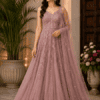
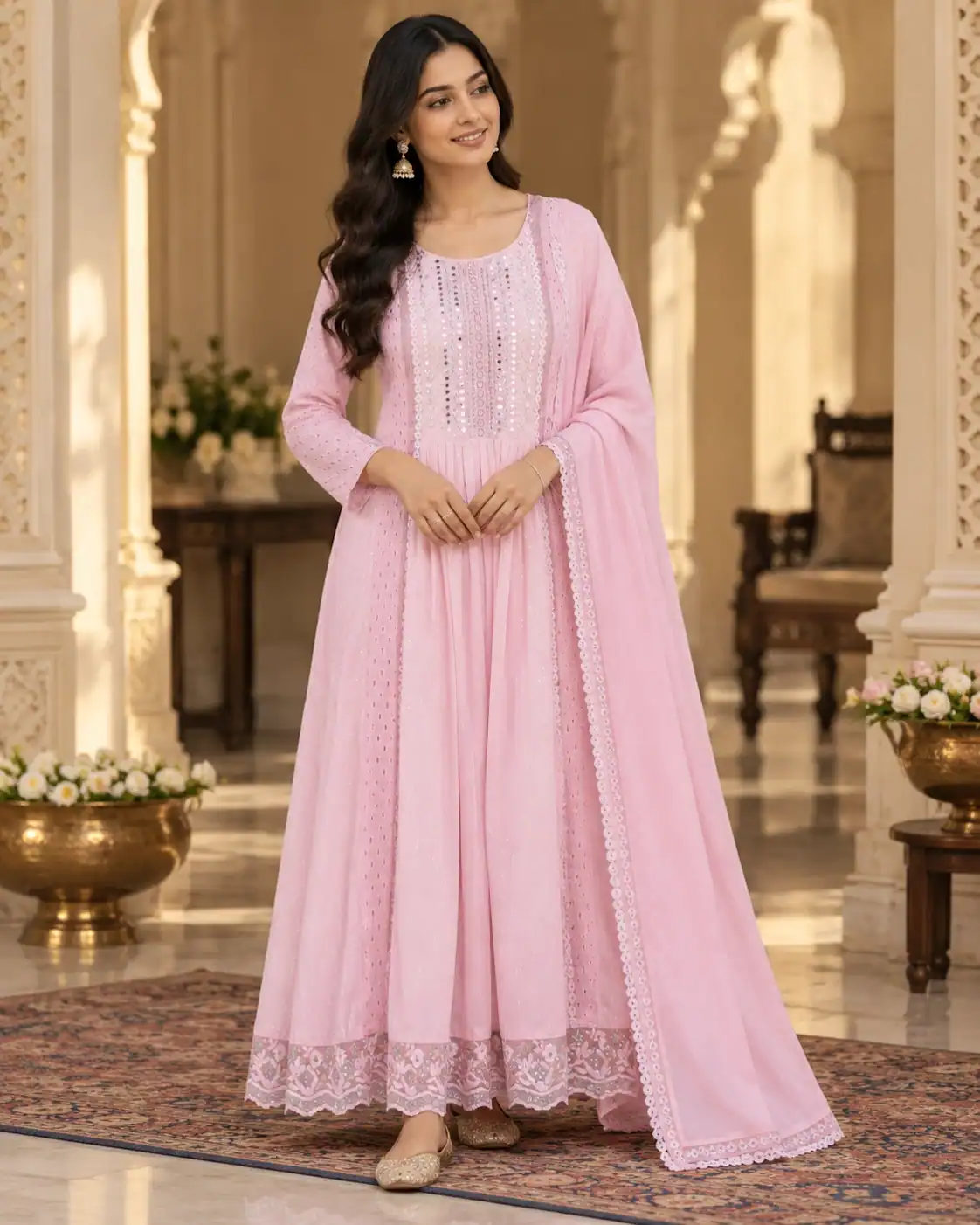
Anarkali suits feature a fitted upper portion with a flared lower silhouette. Their flowing shape creates an elegant appearance, making them particularly suitable for weddings, festive celebrations, engagement functions, and traditional parties.
Choose embroidered or embellished designs for grand occasions, or opt for lightweight printed versions for smaller gatherings. Pairing an Anarkali suit with a matching dupatta and traditional footwear completes the look.
Straight-Cut Suits: Simple and Sophisticated
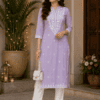
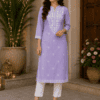
Straight-cut salwar suits feature a clean, elongated silhouette that works well for everyday wear, office settings, and semi-formal occasions. Their understated design makes them easy to accessorise and comfortable to style.
Floral prints, delicate embroidery, contrast piping, and decorative necklines can add character without making the outfit look overly elaborate. Straight-cut suits also pair well with churidars, cigarette pants, and straight trousers.
Palazzo Suits: Comfort with Contemporary Style
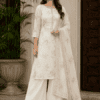
Palazzo suits combine a traditional kurta with wide-legged trousers, creating a relaxed yet fashionable ensemble. The flowing bottom adds movement and gives the outfit a modern appearance.
These suits are ideal for family celebrations, festive gatherings, daytime events, and casual outings. Printed kurtas with plain palazzo pants offer a balanced look, while coordinated sets create a more uniform appearance.
Sharara and Gharara Suits: Traditional Festive Glamour
Sharara and gharara suits are known for their distinctive flared bottoms and celebratory appeal. They are popular choices for weddings, pre-wedding functions, festive occasions, and special family events.
Rich fabrics, decorative borders, mirror work, zari details, and intricate embroidery can enhance their traditional charm. Keep accessories coordinated with the outfit to create a well-balanced appearance.
A-Line Suits: Flattering and Versatile
A-line suits gradually widen towards the hem, creating a graceful shape that works across many occasions. Depending on the fabric and embellishments, they can look casual, formal, or festive.
Pastel shades and subtle prints are suitable for daytime wear, while jewel tones and embroidered designs work beautifully for celebrations.
Indo-Western Salwar Suits: A Contemporary Twist
For women who enjoy experimenting with fashion, Indo-Western suits offer an interesting alternative to conventional designs. Asymmetrical hems, layered jackets, cape-style overlays, modern cuts, and unusual combinations of fabrics bring a contemporary touch to ethnic clothing.
These styles are especially suitable for cocktail parties, receptions, fashion events, and celebrations where you want a distinctive outfit.
2. Colours and Prints That Make a Difference
Colour plays an important role in the overall appearance of a salwar suit. Selecting a shade that complements your personal taste, the occasion, and the styling can make your outfit feel more cohesive.
Pastel shades: Soft pink, lavender, mint green, powder blue, and peach create a delicate appearance. These colours are excellent options for daytime celebrations, engagement ceremonies, and spring or summer events.
Rich jewel tones: Emerald green, royal blue, wine, plum, and deep maroon bring depth and sophistication to festive and evening wear.
Earthy colours: Rust, mustard, olive, beige, and terracotta offer a warm, understated aesthetic. These shades work well for casual ethnic wear and traditional-inspired designs.
Floral prints: Floral patterns provide a fresh, graceful look, particularly on cotton, rayon, and lightweight festive fabrics.
Geometric and abstract prints: These patterns suit women who prefer a contemporary design with a distinctive visual character.
Traditional motifs: Paisley patterns, ornamental borders, block-print-inspired designs, and heritage-inspired artwork help preserve the cultural appeal of ethnic clothing.
When choosing a printed suit, consider balancing the design with simpler accessories so that the outfit remains the centre of attention.
3. Choosing the Right Fabric for Every Occasion
The fabric influences how a salwar suit looks, feels, and drapes. It is therefore worth considering the weather, duration of wear, and formality of the event before making a purchase.
- Cotton: A practical option for everyday use, warm weather, and casual outings. It is generally breathable and comfortable.
- Rayon: Often chosen for its soft feel and fluid drape, making it suitable for relaxed and semi-casual outfits.
- Chanderi: Known for its lightweight character and subtle sheen, it is a popular choice for elegant festive clothing.
- Georgette: Its flowing drape makes it suitable for flared silhouettes, partywear suits, and outfits with layered details.
- Silk and silk blends: These fabrics lend a rich appearance to wedding wear and formal celebrations.
- Velvet: Its plush texture can create a luxurious look for winter weddings and evening occasions.
Always check the garment’s fabric description and care instructions before buying. The actual comfort and maintenance requirements depend on the specific material and construction.
4. Embroidery and Design Details That Elevate an Outfit
Decorative details can transform a simple salwar suit into a statement ensemble. The key is to choose embellishments that suit the event and your preferred style.
Thread embroidery adds texture and traditional character, while zari work introduces a metallic finish suitable for festive wear. Mirror work creates a vibrant look, and sequins add sparkle for evening functions.
Printed borders, decorative buttons, lace accents, contrast panels, and embroidered necklines can also make an outfit distinctive without requiring heavy embellishment.
For everyday wear, minimal detailing is often easier to style and maintain. For weddings and formal celebrations, more elaborate embroidery or embellishment may be appropriate.
5. How to Select a Salwar Suit That Suits You
The best outfit is one that combines personal preference, comfort, and the requirements of the occasion. Rather than following every trend, focus on the elements that make you feel comfortable and confident.
Consider the silhouette. Straight-cut suits offer a clean look, while Anarkali and A-line styles provide more flare. Palazzo and sharara designs create additional volume through the bottom.
Pay attention to fit. Check the shoulder seams, sleeve length, bust area, waist, and trouser measurements. A comfortable fit allows natural movement and improves the overall appearance.
Choose colours thoughtfully. Select shades you enjoy wearing and that work well with your intended accessories and occasion.
Think about the event. Lightweight printed suits are suitable for many everyday situations, whereas embellished designs may be better suited to formal celebrations.
Check the complete outfit. If the suit includes a dupatta or coordinated bottoms, consider how the colours, prints, and decorative elements work together.
There is no single silhouette or colour that suits everyone. Personal comfort and individual style are more useful guides than rigid fashion rules.
6. Styling Tips for a Complete Ethnic Look
Thoughtful styling can make even a simple salwar suit look well put together.
Jewellery and Accessories
Jhumkas, small stud earrings, bangles, delicate chains, and statement necklaces can complement different suit designs. Heavily embellished outfits often work best with fewer accessories, while simpler suits offer more room for decorative jewellery.
A clutch or small handbag can complete a festive outfit, while a practical shoulder bag may be more suitable for daily use.
Footwear
Juttis and mojris are classic choices for traditional outfits. Sandals, block heels, and wedges can complement festive and partywear suits. For long events, prioritise footwear that remains comfortable throughout the day.
Dupatta Draping
A neatly draped dupatta can enhance the overall appearance of a salwar suit. You can wear it over both shoulders for a balanced traditional look, drape it over one shoulder for a relaxed appearance, or arrange it around the arms to highlight an embroidered outfit.
Choose a draping style that allows you to move comfortably and showcases the outfit’s important design details.
Hair and Makeup
Soft waves, a simple bun, a braid, or a ponytail can work with different ethnic looks. Natural makeup is suitable for many daytime occasions, while a more defined eye or lip colour can complement evening attire.
The aim is to create harmony between the outfit, accessories, hairstyle, and event rather than making every element compete for attention.
7. Buying Salwar Suits Online: What to Check
Online shopping makes it convenient to explore different designs, colours, and price ranges. However, reviewing the product information carefully helps reduce the chances of choosing an unsuitable outfit.
Before placing an order, consider the following:
- Size chart: Compare your measurements with the seller’s size guide rather than relying only on your usual size.
- Fabric details: Read the material description and check whether the outfit requires special care.
- Product images: Examine the neckline, sleeves, embroidery, hemline, bottoms, and dupatta, if included.
- Product inclusions: Confirm exactly which pieces are supplied with the suit.
- Delivery information: Review the estimated delivery timeframe, especially if you need the outfit for a particular event.
- Return and exchange policy: Understand the eligibility requirements, time limits, and any applicable conditions before ordering.
- Customer reviews: Where available, use reviews to understand sizing, colour appearance, and garment quality.
If you are purchasing an outfit for a wedding or celebration, allow sufficient time for delivery and any necessary alterations.
Conclusion: Find Your Own Style in Salwar Suits
Salwar suits continue to be an important part of Indian ethnic fashion because they offer a wide choice of designs, fabrics, colours, and styling possibilities. From the flowing elegance of Anarkali suits to the clean lines of straight-cut designs and the relaxed appeal of palazzo sets, there is a style for almost every occasion.
The best choice is not necessarily the most elaborate or fashionable design. It is the outfit that fits comfortably, suits the event, and reflects your personal taste.
Explore different silhouettes, experiment with colours, and select accessories that complement rather than overpower your ensemble. With thoughtful choices, a salwar suit can become a versatile addition to your wardrobe, ready for everyday wear, festive celebrations, weddings, and special occasions.